



Once upon a time, the unwritten rule of football fashion was simple: if you were a proper supporter, you wore the latest shirt. Fresh from the club shop, sponsor gleaming, tags barely off, the newest kit was a badge of loyalty as much as style. But football fashion has evolved, and in today’s terraces, pubs, and city streets, retro shirts have taken centre stage.
For modern football fashionistas, the appeal of vintage tops goes far beyond simply supporting your team. Retro football shirts have become cultural statements, blending nostalgia, individuality, and style in ways current kits often struggle to replicate. With help from Mr Luck, we look into the rise of retro football tops.
The Decline of “New Kit or Nothing”
For years, buying the newest strip each season felt almost obligatory. Clubs released home, away, third, and even special edition shirts with relentless frequency, creating a cycle where supporters were expected to constantly update their wardrobes.
But attitudes have shifted.
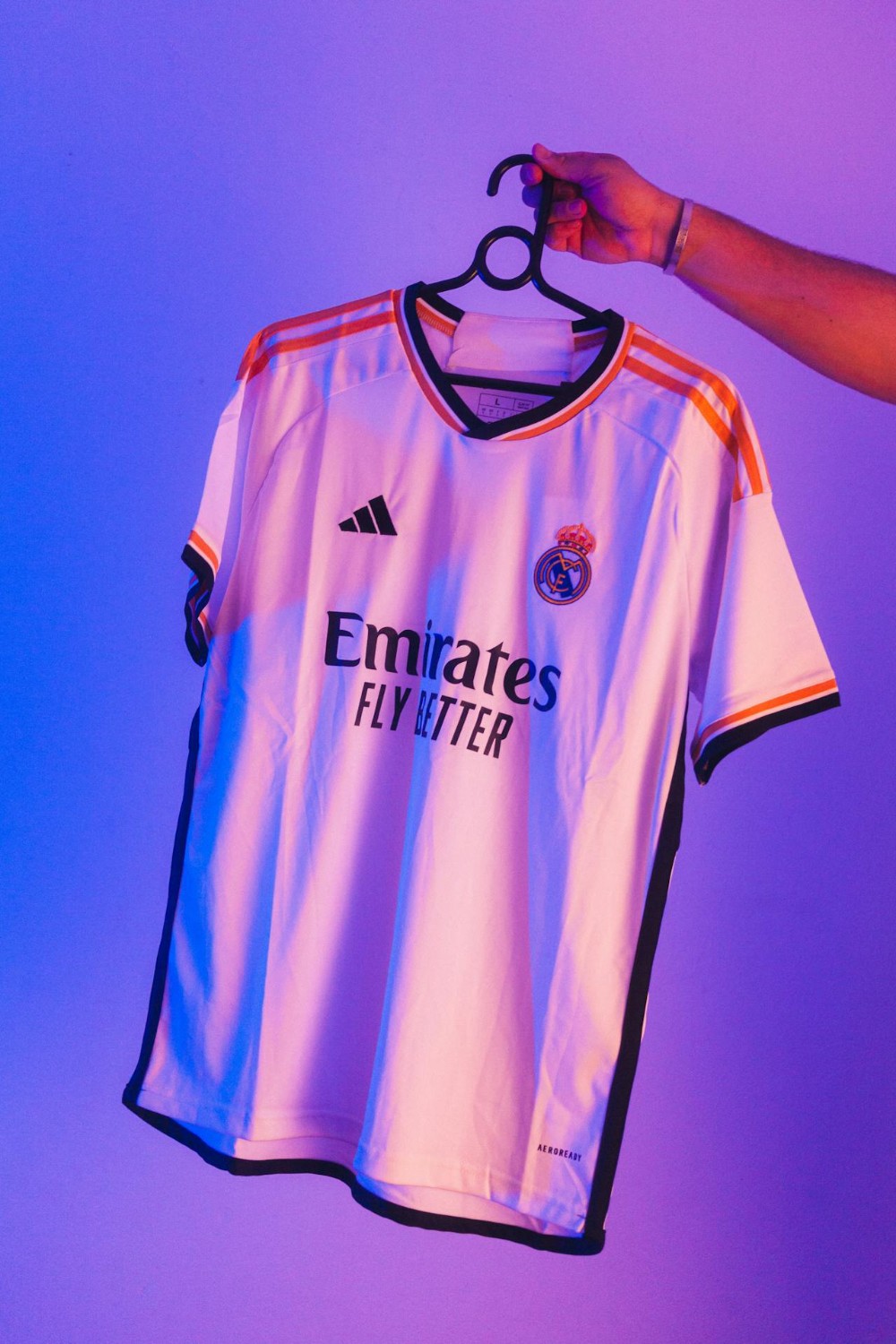
Many fans now see chasing every new release as expensive, repetitive, and at times creatively uninspiring. Modern shirts, while technically advanced, can often feel overproduced or overly commercialised. Template designs, rotating sponsors, and increasingly inflated prices have left supporters questioning whether “new” automatically means “better.”
Instead, wearing a retro top suggests confidence. It signals that your football identity isn’t tied to marketing cycles, but to heritage, memories, and personal taste.
Quality and Choice Have Improved Dramatically
One major reason retro shirts have exploded in popularity is the vast improvement in availability and quality.
Previously, finding vintage football shirts often meant trawling charity shops, market stalls, or obscure online auctions with mixed success. Today, dedicated retro football retailers, independent designers, and remastered reproductions have transformed the market.
Fans now have access to:
- Authentic originals
- High-quality remakes
- Rare international club classics
- Cult goalkeeper jerseys
- Niche lower-league gems
Whether it’s a bold 1990s goalkeeper shirt, a minimalist 1980s European away kit, or an obscure pre-sponsor design, there’s unprecedented variety. Modern collectors can curate highly personal football wardrobes that reflect both style and football knowledge.
Hipster Football Culture and the Hunt for the Obscure
Retro football fashion has also become deeply tied to hipster culture.
For many, it’s no longer enough to wear a famous classic like Manchester United’s 1999 treble shirt or Arsenal’s “Bruised Banana.” The real fashion credibility lies in discovering something niche:
- A forgotten 1994 Parma Calcio 1913 shirt
- A cult Newcastle United F.C. away strip from the mid-90s
- A random Eastern European club jersey with stunning design
- A lower-league shirt with quirky sponsorship
This treasure hunt has become part of the appeal. Wearing rare retro tops communicates football literacy, aesthetic awareness, and individuality, a combination especially prized in modern fashion circles.

Nostalgia: Celebrating Glory and Surviving the Chaos
Perhaps the biggest draw of retro shirts is emotional.
Football fans don’t just wear old shirts because they look good, they wear them because they tell stories.
A retro shirt can evoke:
- Title-winning glory
- Cup final heartbreak
- Relegation battles
- Iconic players
- Awkward sponsors
- Memorable bad seasons that somehow became beloved
Sometimes the shirt represents the best era in a club’s history. Other times, it’s cherished precisely because it recalls chaotic, imperfect seasons filled with cult heroes and unforgettable moments.
That emotional connection is powerful. Wearing an old top isn’t just fashion; it’s storytelling.
Football Shirts as Streetwear
Retro football shirts have also transcended football itself.
They now sit comfortably alongside sneakers, denim, oversized jackets, and wider streetwear culture. Influencers, musicians, and style-conscious supporters have embraced vintage football aesthetics, making retro shirts versatile fashion pieces rather than matchday-only attire.
The bold colours, unique patterns, embroidered crests, and old-school sponsors often offer far more character than contemporary minimalist sportswear.
More Than Merchandise
Retro football tops represent something larger than club merchandise.
They embody:
- Identity
- Memory
- Authenticity
- Subculture
- Personal style
In a football world increasingly dominated by commercial releases and fast fashion, retro shirts offer supporters something richer: a connection to football’s past, worn proudly in the present.
Final Whistle
Retro football tops have become the go-to garments for football fashionistas because they combine style with substance.
They reject disposable consumer culture, celebrate football heritage, and allow fans to express themselves in ways that new kits rarely can. Whether it’s a legendary classic, an ironic cult favourite, or a forgotten design masterpiece, retro shirts are no longer just old kits.
They are football fashion’s ultimate statement piece.